

THE PROJECT
OF TRADING METALS
Trading activities involve the main non-ferrous metals:
ALLUMINIUM
It has survived not only five centuries, but also the leap into electronic typesetting, remaining essentially unchanged. It was popularised in the 1960s with the release of Letraset sheets containing Lorem Ipsum passages, and more
LEAD
It has survived not only five centuries, but also the leap into electronic typesetting, remaining essentially unchanged. It was popularised in the 1960s with the release of Letraset sheets containing Lorem Ipsum passages, and more
ZINC
It has survived not only five centuries, but also the leap into electronic typesetting, remaining essentially unchanged. It was popularised in the 1960s with the release of Letraset sheets containing Lorem Ipsum passages, and more
RAME
It has survived not only five centuries, but also the leap into electronic typesetting, remaining essentially unchanged. It was popularised in the 1960s with the release of Letraset sheets containing Lorem Ipsum passages, and more
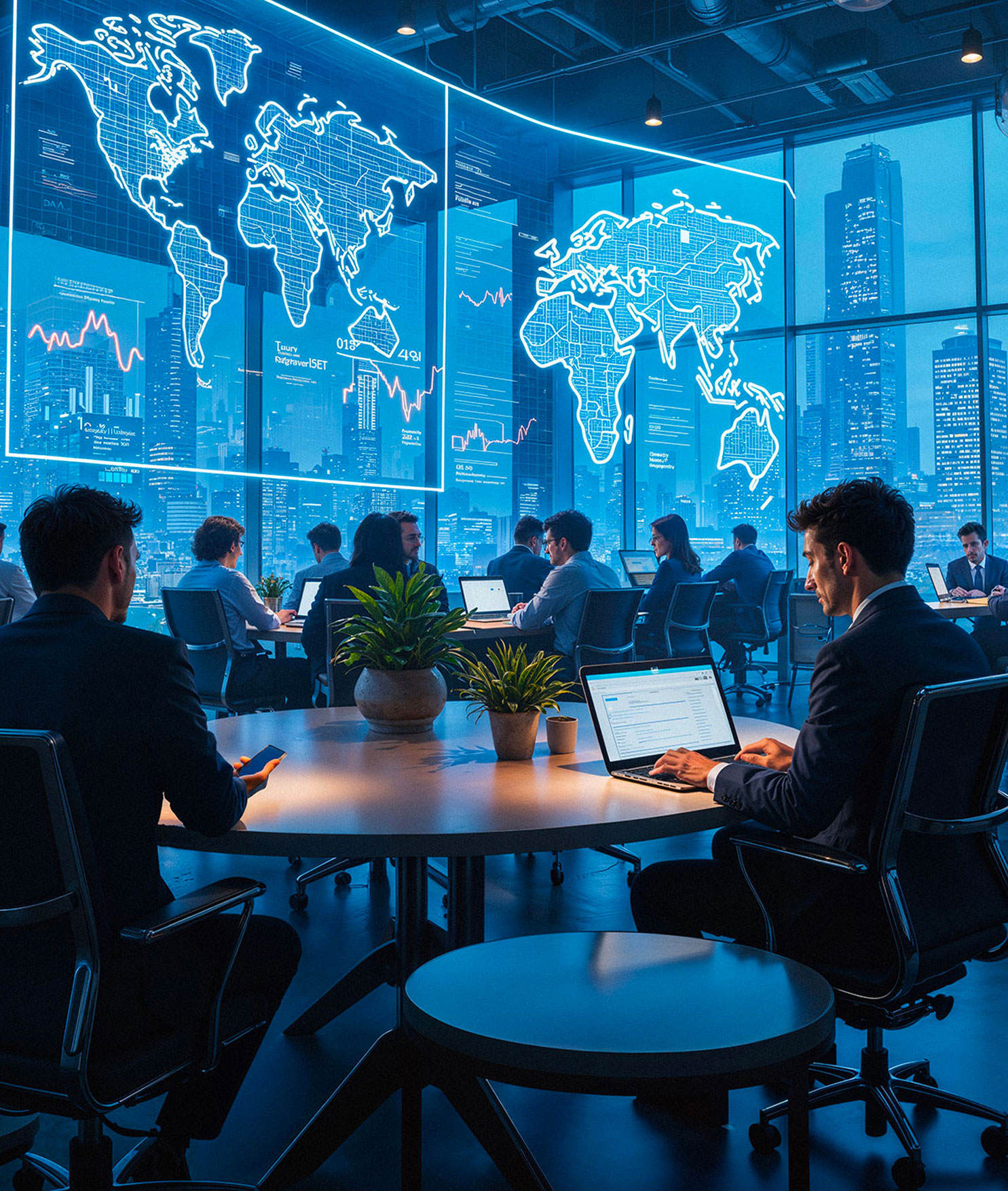
The business model is based on back-to-back trading operations, avoiding any speculative exposure on inventory.

PURCHASE
They are purchased from leading global producers in Asia, Africa, South America and Europe on an FOB or CIF basis, financed through trade finance instruments (LC or CAD), and subsequently stored in LME-approved warehouses in major European hubs.

SALE
Sales are made on an FCA or DDP basis, often with just-in-time deliveries and payment terms granted exclusively to customers covered by credit insurance.
PRICE
Price risk is fully hedged through LME forward contracts, credit risk is mitigated through insurance with primary counterparties such as Allianz, Atradius and Coface, while operational and logistical risk is reduced through the use of first-rate warehouse and transport operators.
Currency, regulatory, ESG and liquidity risks are also addressed with dedicated instruments and diversification of bank financing sources.
A distinctive feature is the trading team, which boasts over 100 years of combined experience in non-ferrous metals trading.
The team has established relationships with producers, industrial customers, brokers and financial institutions, and is already operational with a proven back office, risk management and commercial finance structure.
This enables a rapid start-up and progressive growth without having to build the operational infrastructure from scratch.
From an economic and financial perspective, the three-year business plan forecasts significant growth in volumes and revenues, with modest but stable unit margins (approximately 0.5–1% depending on the metal), consistent with a high-volume, low-risk trading model. The plan highlights how the use of trade finance allows up to 90% of the value of transactions to be financed, requiring only 10% of equity as collateral, with returns on invested capital estimated at around 30–40% when fully operational.
There is a solid base of suppliers and customers: leading international producers for supply and over 200 industrial customers in Europe, including roll mills, extruders and galvanisers, confirming the real commercial viability of the project.

METAL OPERATIONS
Aluminium and zinc
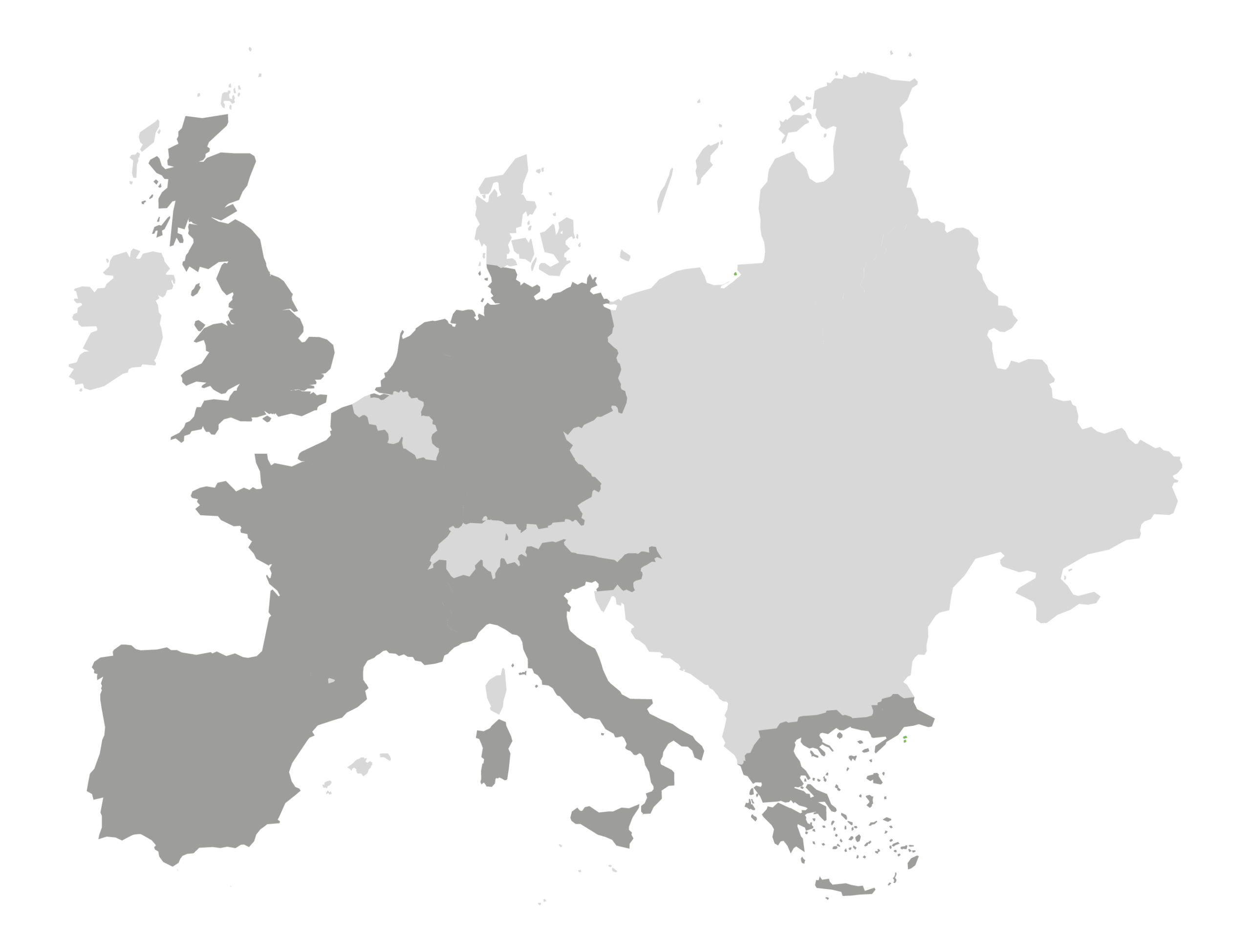
They are purchased globally in large volumes and distributed mainly in European markets (Germany, Italy, France, Spain, United Kingdom, etc…).
Average transaction duration: 45 days for FCA sales and up to 90 days for DDP sales.
Copper
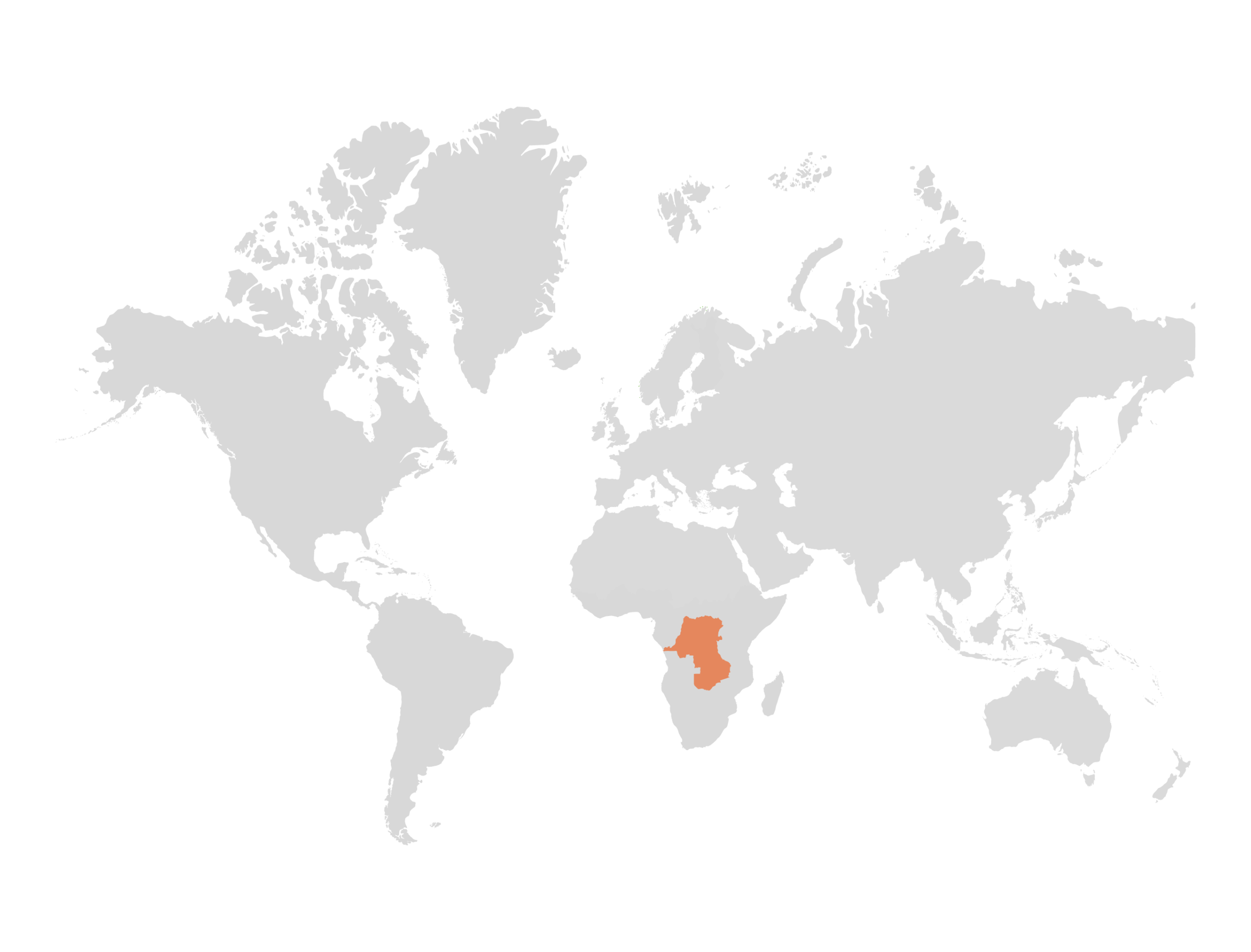
In the form of grade A cathodes, it is mainly sourced from the Democratic Republic of Congo and Zambia and distributed in Germany and Italy.
Operating cycle: around 30 days.